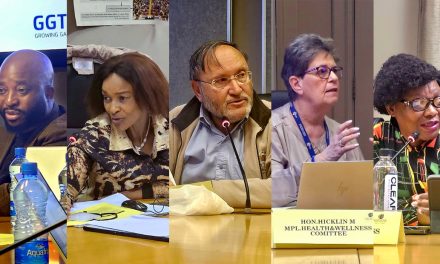
The Health and Wellness Portfolio Committee recently spent time on the ground at two critical healthcare sites, Chris Hani Baragwanath Academic Hospital (Bara) and the Emergency Medical Services coordinating base in Midrand. The visits formed part of the Committee’s ongoing oversight programme, focused on strengthening priority services such as oncology care and emergency medical response in pursuit of improved health outcomes for communities across the province.
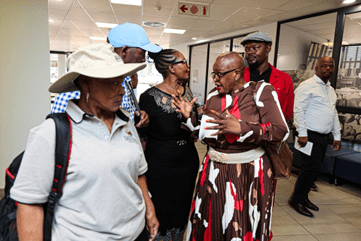
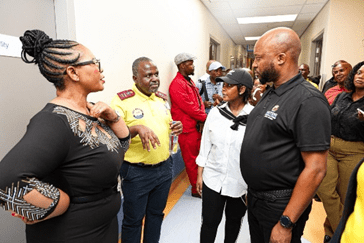
Moving beyond boardroom briefings, Members engaged directly with senior management and frontline operations, gaining firsthand insight into daily pressures within the health system. The approach reinforced the Committee’s commitment to practical, evidence-based oversight that reflects the lived realities inside facilities.
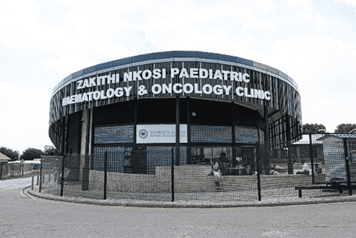
At Bara, the focus turned sharply to cancer services. Members examined staffing levels, operational constraints and the knock-on effects these challenges have on patient care. The Department undertook to address several of these concerns through internal consultations. Weaknesses in ICT systems were also highlighted, particularly where they disrupt patient bookings and the flow of diagnostic information from key units such as radiology. In addition, delays associated with contractual arrangements with the National Health Laboratory Service were raised as a contributing factor to backlogs in cancer treatment.
The Midrand EMS Coordinating Base
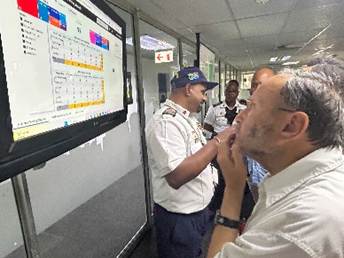
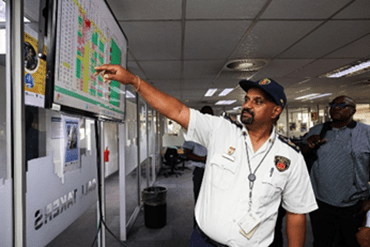
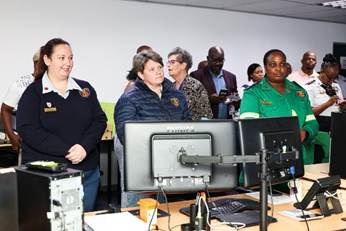
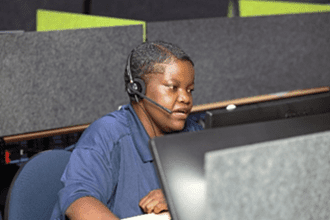
The visit to the Midrand EMS coordinating base offered a different perspective on the provincial health system, showcasing technological tools that are already enhancing service delivery.
Members commended the Resources Monitoring Dashboard, whichprovides live incident tracking and enables coordinated management of patient diversions across facilities. The system was recognised as a valuable mechanism for improving response times and operational efficiency in emergency care.
At the same time, challenges were identified and deliberated like the training requirements for paramedics as a persistent obstacle to expanding staffing capacity. The serious concern about the use of the state funded emergency number 112 by private service providers, which leads to call rerouting and delays for people seeking urgent assistance. These matters stipulate for escalation to national parliamentary structures, given their broader policy implications.
Chairperson of the Health and Wellness Portfolio Committee, Adv Ezra Letsoalo, reaffirmed the Committee’s resolve following the visits. “The Committee remains committed to ensuring that public health facilities are properly resourced and responsive to the needs of our communities. We will continue to intensify our oversight to make sure that the concerns identified during these visits translate into real improvements for patients,” he said.
Looking ahead, the Committee has scheduled further oversight visits to academic hospitals providing oncology services in the coming quarter. Plans are also in place to report back to stakeholders who participated in last year’s focused intervention study on cancer care, outlining progress made and initiatives undertaken by the Committee.
Together, these efforts underscore the Committee’s sustained drive to strengthen public healthcare delivery and ensure that Gauteng citizens receive equitable, high-quality services when they need them most.